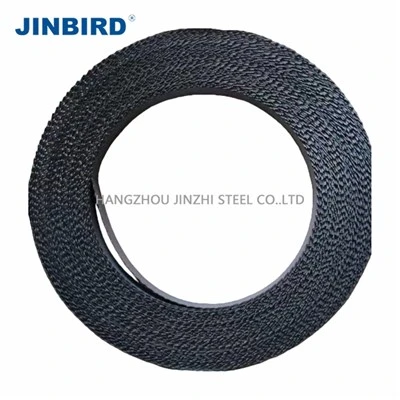

Bimetal band saw blades are essential cutting tools widely used in steel processing, metal bar cutting and profile machining. They adopt a composite structure: the tooth part is made of M42/M51 high speed steel, while the back body uses durable spring steel, combining excellent hardness and toughness.
Key Advantages
Outstanding red hardness: The tooth hardness reaches 68-69 HRC, maintaining stable performance even under high temperature cutting.
Great fatigue resistance: The flexible back effectively prevents blade breakage and tooth loss during long-time continuous operation.
Wide compatibility: Suitable for cutting carbon steel, alloy steel, stainless steel, aluminum, copper, pipes and solid bars.
Common Tooth Types & Application
Regular teeth: Ideal for general cutting with smooth cutting surfaces.
Variable pitch teeth: Reduce vibration and improve chip removal, perfect for thick materials and thin walled tubes.
Claw teeth: Feature high tooth strength for heavy duty cutting of large diameter solid materials.
Practical Tips
Use fine teeth for thin sheets and small pipes.
Choose coarse teeth for thick bars and large workpieces.
Select M51 grade blades and lower cutting speed when machining stainless steel and high alloy steel.
As a professional manufacturer, JINZHI STEEL supplies bimetal band saw blades in widths from 19mm to 54mm. Custom tooth profiles and lengths are available to meet diverse industrial demands.