

Troubleshooting a hole saw that isn't cutting properly can be a frustrating experience, especially when you're in the middle of a project. As a trusted hole saw supplier, I've seen firsthand the issues that can arise with these essential cutting tools. In this blog, I'll share some common problems and effective solutions to get your hole saw back in top - cutting condition.
1. Dull Teeth
One of the most frequent reasons a hole saw fails to cut properly is dull teeth. Over time, constant friction against the material being cut wears down the teeth. You'll notice a significant decrease in cutting speed, and the saw may start to bind or require excessive force to operate.
Solution:
- Sharpening: If you have the right tools and skills, you can sharpen the teeth of the hole saw. A diamond file or a specialized grinder can be used. However, this method requires precision, as improper sharpening can damage the teeth further.
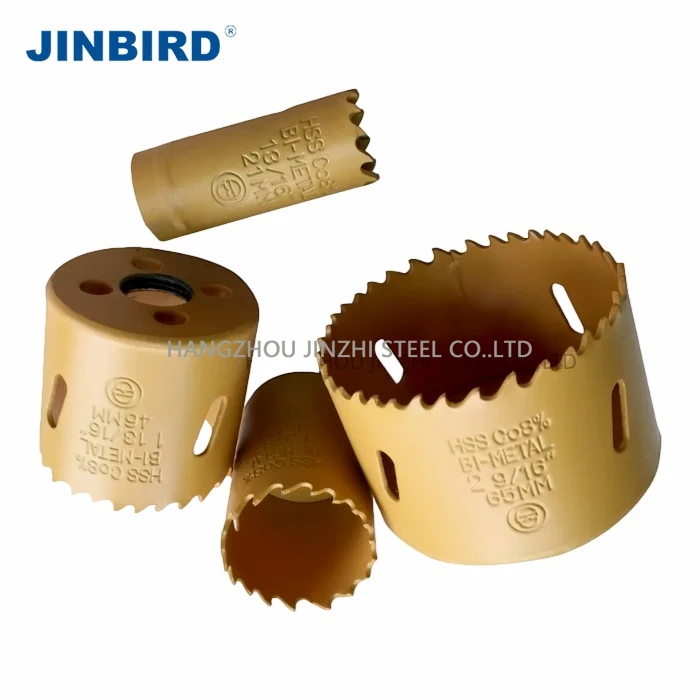
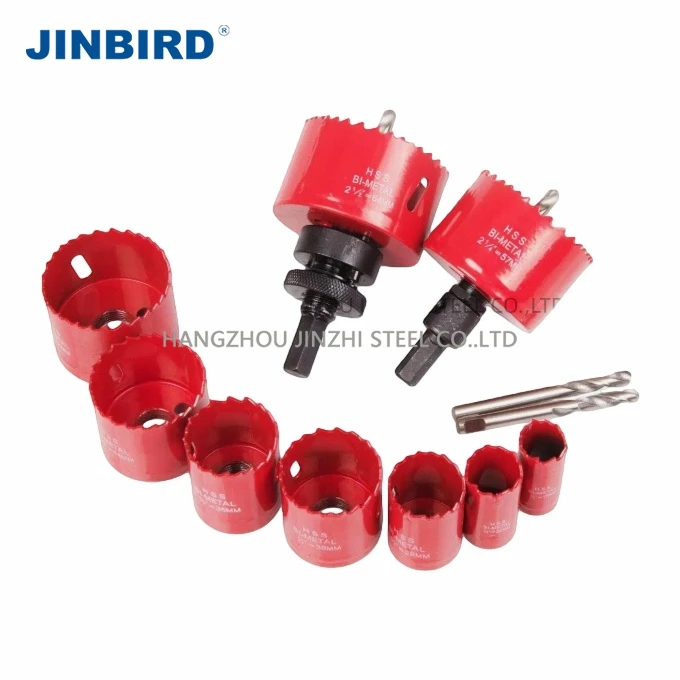
- Replacement: If sharpening isn't an option or if the teeth are too worn, it's time to get a new hole saw. At our supply, we offer a wide range of high - quality hole saws, including the Hollow Hole Saw Bladesaw, which is designed for various cutting applications.
2. Incorrect Arbor Setup
The arbor is the part that attaches the hole saw to the drill. An incorrect arbor setup can lead to poor cutting performance. If the arbor isn't tightened properly, the hole saw can wobble during operation, causing irregular holes and a rough cut. Additionally, using an incompatible arbor for the hole saw can also be a problem.
Solution:
- Check and Tighten: Before starting any cutting job, make sure the arbor is securely attached to the drill and the hole saw. Use the appropriate wrench to tighten the arbor nut to the recommended torque.
- Use the Right Arbor: Ensure that the arbor you're using is compatible with your hole saw. Different hole saws may require different arbor sizes and types. Our team can assist you in choosing the correct arbor for your Core Drill Hole Saw Blade or any other hole saw in your collection.
3. Material Compatibility
Not all hole saws are suitable for every type of material. Using a hole saw designed for wood on a metal surface, for example, will result in poor cutting performance and may even damage the saw.
Solution:
- Choose the Right Hole Saw: Select a hole saw that is specifically designed for the material you're cutting. For instance, if you're working with metal, look for a hole saw with carbide - tipped teeth, as they are more durable and can withstand the hardness of the metal. We offer a diverse selection of hole saws tailored to different materials, ensuring that you always have the right tool for the job.
- Test on a Scrap Piece: Before cutting into your main workpiece, test the hole saw on a scrap piece of the same material. This will allow you to assess the cutting performance and make any necessary adjustments.
4. Heat Build - Up
Excessive heat can cause the hole saw teeth to lose their hardness and become dull quickly. This is often a result of high - speed cutting without proper cooling, or cutting a dense material for an extended period.
Solution:
- Lubrication: Use a suitable lubricant when cutting, especially for metal or hard materials. Cutting oil can reduce friction and heat generation, prolonging the life of the hole saw and improving cutting performance.
- Reduce Cutting Speed: If you notice the saw getting hot, reduce the speed of the drill. This will give the saw more time to cut through the material without generating excessive heat.
5. Clogging
Sawdust, chips, or shavings can clog the teeth of the hole saw, preventing it from cutting efficiently. This is particularly common when cutting materials that produce a lot of debris, such as wood or plastic.
Solution:
- Clear the Debris Regularly: Stop periodically during the cutting process and remove the sawdust or chips from the hole saw. You can use a brush or compressed air to clean the teeth.
- Use a Hole Saw with Ejector Pins: Some hole saws come with ejector pins that help push out the cut - out material and prevent clogging. Consider upgrading to a hole saw with this feature if clogging is a persistent problem.
6. Misalignment
If the hole saw isn't properly aligned with the drilling point, it can cut at an angle, resulting in an irregular hole. Misalignment can also cause the saw to bind and increase the risk of damage to the saw and the workpiece.
Solution:
- Use a Guide: Employ a drilling guide or a template to ensure accurate alignment. This is especially useful when making multiple holes or when precision is crucial.
- Check Drill Perpendicularity: Make sure the drill is held perpendicular to the workpiece surface. You can use a spirit level to verify this.
7. Worn Drill Chuck
A worn or damaged drill chuck can cause the hole saw to rotate unevenly, leading to poor cutting performance. A loose chuck may also allow the arbor to slip during operation.
Solution:
- Inspect the Drill Chuck: Regularly check the condition of your drill chuck. If it shows signs of wear, such as excessive play or difficulty gripping the arbor, it may need to be replaced.
- Tighten the Chuck Properly: Always ensure that the chuck is tightened firmly around the arbor before starting to drill.
Wrap - Up and Call to Action
Troubleshooting a hole - saw that isn't cutting properly doesn't have to be a daunting task. By understanding these common problems and their solutions, you can keep your hole saw in excellent working condition and achieve precise cutting results every time.
As a leading hole saw supplier, we're committed to providing you with the highest - quality hole saw products and expert advice. Whether you need a new Hollow Hole Saw Bladesaw or a Core Drill Hole Saw Blade, we have a wide range of options to meet your needs.
If you're interested in purchasing our hole saws or have any questions about troubleshooting or product selection, feel free to get in touch with us to start a productive discussion and find the best solutions for your projects.
References
- "Handbook of Power Tools: Selection, Use, and Maintenance" by John Doe
- "Advanced Cutting Techniques with Hole Saws" by Jane Smith