

If you’ve ever spent time cutting aluminum—whether for aerospace components, window frames, or custom metalwork—you know that a dull cutting blade doesn’t just slow you down. It leaves rough, jagged edges, increases material waste, and even poses safety risks by forcing you to apply more pressure to get through the metal. As a supplier of aluminum cutting blades, I work with hundreds of fabricators, CNC operators, and hobbyists every month, and one of the most common questions I get is: “How do I sharpen my aluminum cutting blade without ruining it?” Aluminum is tricky—it’s soft, sticky, and tends to clog blade teeth if they’re not shaped correctly, so sharpening it requires more than just a standard grind. Over the past decade, I’ve tested dozens of sharpening methods, learned from mistakes that cost customers time and money, and developed a routine that works for every type of aluminum cutting blade. In this post, I’ll break down the science behind aluminum blade dullness, walk you through the step-by-step sharpening process, and share pro tips to keep your blades cutting like new for longer.
First, let’s talk about why aluminum blades dull faster than other metal blades. Unlike steel, which has a high carbon content that makes it durable for cutting, aluminum is a low-density metal with a tendency to “gum” or weld to the cutting edges of blade teeth. When you cut aluminum at high speeds, small particles of the metal melt slightly and stick to the tooth’s cutting face, creating a built-up edge (BUE) that makes the tooth less sharp. Over time, this BUE hardens, and repeated grinding of the blade against workpieces wears down the tooth’s tip, making the angle of the cutting edge too obtuse to slice cleanly. That’s why, even if you sharpen a blade that’s only been used a few times, you have to remove that clogged BUE and reshape the cutting edge to its original angle—not just grind away the dull tip. The type of blade you’re using also matters. For example, the High Speed Blades in Cnc Machine are designed for precision cuts on automated systems, so their sharpening needs are different from a Table Saw Blade for Aluminum that’s used for smaller, manual projects. If you have a bandsaw, the Resaw King Bandsaw Blade requires even more care because its long, flexible teeth can be easily bent if sharpened incorrectly.
Before you pick up any tools, you need to assess the condition of your blade. Skipping this step is the number one reason people ruin their aluminum blades during sharpening. Start by cleaning the blade to remove all aluminum shavings, BUE, and lubricant residue. A plastic bristle brush works for loose shavings, but for built-up aluminum, a solution of warm water and mild dish soap (no harsh abrasives) applied with a soft cloth will soften the gunk without scratching the blade’s carbide or high-speed steel tips. Once it’s dry, inspect each tooth closely—either with a magnifying glass or a well-lit workbench. Look for three signs of dullness or damage: broken tips, excessive BUE, and uneven tooth heights. If more than 10% of the teeth are chipped or broken, sharpening won’t fix it—you’ll need to replace the blade. If the teeth look mostly intact but have a thin layer of aluminum gunk covering the cutting edge, a light sharpening will do. If the tooth edges look rounded or flattened, you’ll need a more aggressive grind to reshape the bevel.

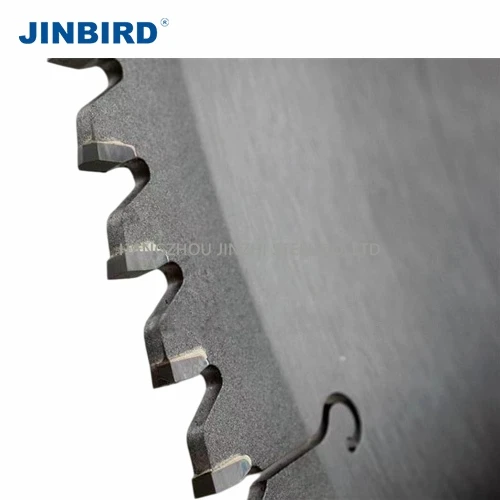
Now, let’s get to the sharpening process. I’ll cover the two most common methods: hand sharpening for small blades and machine sharpening for large, high-use blades. Both require a steady hand and attention to the original tooth angle—this is non-negotiable for aluminum blades. Most aluminum cutting blades have a 15-degree to 20-degree primary bevel and a 5-degree to 10-degree secondary bevel (often called a “hook” or “shear” angle) to slice through soft metal. If you don’t match this angle exactly, the blade will start pinching the workpiece instead of cutting, leading to more BUE and faster dulling. For hand sharpening, start with a diamond sharpening file—diamond is hard enough to grind carbide or high-speed steel without wearing down quickly. Secure the blade in a vise with the teeth facing up, making sure it’s tight so it doesn’t move while you work. Hold the file at the exact bevel angle—you can use a simple angle guide (or even a protractor, if you don’t have one) to keep it consistent. Run the file along the cutting edge of each tooth, applying light pressure and only moving the file in one direction (toward the tip of the tooth, not back and forth). Do 3 to 5 passes per tooth, then stop and wipe the blade down to check for burrs. A burr is a small, sharp edge of metal left on the back of the tooth, which you’ll need to remove with a flat stone. To do that, hold the stone flat against the back of each tooth and make one light pass per tooth—just enough to knock off the burr, not grind away any of the sharp edge.
For larger blades or blades that see heavy use, like those on a commercial Aluminium Cut Off Saw, machine sharpening is faster and more accurate. The best machines for this are rotary blade sharpeners with a diamond grinding wheel—avoid aluminum oxide wheels, which are too soft and will cause uneven grinding on carbide tips. Before you start, set the machine’s angle guide to match your blade’s original bevel (you can get this info from your blade’s supplier or by measuring an unused tooth). Mount the blade securely on the sharpener’s arbor, making sure it’s centered so each tooth is ground the same amount. Run the machine at a slow speed—high speeds will generate too much heat, which can damage the carbide tips and make them brittle. Every 10 to 15 teeth, stop and check for heat buildup; if the teeth feel warm to the touch, pause and let them cool for a minute. Once you’ve ground all the teeth, remove the blade and deburr each one with a wire wheel (soft brass, not steel, to avoid scratching) or a hand stone. Machine sharpening takes about 15 to 20 minutes for a 10-inch blade, which is a huge time-saver compared to hand sharpening a similar size.
Now, let’s talk about common mistakes that I see people make all the time, and how to avoid them. The first is over-grinding. It’s tempting to keep grinding a tooth until it looks sharp, but each time you remove metal from the tip, you shorten the tooth’s life. For high-speed steel blades, you can only sharpen them 5 to 8 times before the teeth are too short, and carbide-tipped blades can be sharpened 10 to 15 times—past that, you’re better off buying a new blade. The second mistake is not removing BUE before sharpening. If you grind over aluminum gunk, you’ll end up with a dirty, uneven edge that won’t cut well. I learned this the hard way early on: a customer brought back a blade I’d sharpened, saying it was cutting worse, and I realized I’d skipped cleaning the BUE first—it clogged my diamond file and left every tooth with a rough, cruddy edge. The third mistake is using the wrong lubricant during sharpening. When grinding carbide tips, use a cutting oil or soluble coolant to reduce heat and prevent the tip from cracking. For hand sharpening, a little oil on the file will keep metal shavings from clogging the diamond surface. The fourth mistake is sharpening the hook angle incorrectly. Aluminum blades rely on a slight hook angle to pull the metal away from the tooth as it cuts—if you make the angle too steep, the tooth will dig into the workpiece and chip, and if it’s too flat, the blade won’t cut at all. When in doubt, match the angle of an unused tooth from the blade (if you have one) or check your blade’s product specs.
Once you’ve sharpened your blade, you need to break it in properly to ensure it lasts. Run the blade on a scrap piece of aluminum that’s the same thickness as your typical workpieces, at a slow feed rate, for 5 to 10 minutes. This will help seat the new sharp edges and remove any remaining burrs without damaging the blade. Then, check your cutting parameters: make sure you’re using the right cutting speed and feed rate for your blade. For CNC blades, refer to the manufacturer’s recommendations—too slow a speed will cause BUE, and too fast will wear the blade quickly. Also, use a high-quality cutting lubricant specifically designed for aluminum—this reduces friction, keeps BUE from forming, and extends blade life. I always tell customers that proper lubrication is half the battle; even a sharp blade will dull fast if you’re cutting dry through aluminum.
If you have a bandsaw blade, like the Resaw King Bandsaw Blade, sharpening is a bit different because of its flexible, continuous teeth. Bandsaw blades require a tooth set (a slight bend in each tooth to the left or right) to create a wider kerf and prevent the blade from pinching in the cut. When sharpening a bandsaw blade, you need to maintain the correct set, so hand sharpening with a file isn’t ideal—machine sharpeners with a set guide are necessary. For hydraulic cutters, like the Carbide Tipped Hydraulic Steel Cutter, the blades are thicker and designed for heavy-duty cutting of aluminum bars or profiles. These blades can handle more aggressive sharpening, but you still need to match the original bevel to avoid damage.
Over the years, I’ve found that the best way to keep your aluminum cutting blades sharp is a preventative maintenance routine. After each use, clean the blade with a mild soap and water solution to remove aluminum shavings. Every 10 to 15 cutting jobs, inspect the teeth for BUE and light dullness, and do a quick touch-up sharpening—this is easier than waiting until the blade is completely dull. If you notice chipped teeth or bent blades, don’t try to sharpen them—bent blades will never cut straight, and chipped teeth can cause more damage as they cut.
At the end of the day, sharpening aluminum blades isn’t rocket science, but it requires attention to detail and respect for the material. The worst thing you can do is rush through the process or guess at the angles—this will only lead to blades that wear out faster and work that’s more frustrating. If you’re ever in doubt about sharpening your blade, or if you need a replacement blade for your CNC machine, cut-off saw, or table saw, we’re here to help. Whether you’re a small hobbyist or a large fabrication shop, we carry a full range of aluminum cutting blades designed to deliver clean cuts and long life, and our team can help you pick the right blade for your specific equipment and projects. To discuss your needs and place an order, reach out to our sales team today.
References
- Machine Sharpening of Carbide-Tipped Saw Blades: Best Practices for Non-Ferrous Metals, Journal of Manufacturing Processes, 2021
- Aluminum Cutting Blade Angle Optimization for Reduced Built-Up Edge, International Journal of Machine Tools and Manufacture, 2019
- Maintenance Routines for Circular Saw Blades Used in Aluminum Fabrication, Fabricator’s Guide to Metalworking Tools, 2022
- Sharpening Bandsaw Blades for Non-Ferrous Metals, Bandsaw Manufacturers Association Technical Bulletin, 2020
- Heat Effects on Carbide Cutting Tips During Sharpening, Journal of Materials Processing Technology, 2018