

Hey there, folks! As a supplier of Hollow Hole Saw Bladesaw, I've seen firsthand how the blade material quality can make or break the cutting performance of these tools. In this blog post, I'm gonna dive deep into this topic and share some insights that I hope will be useful to you.
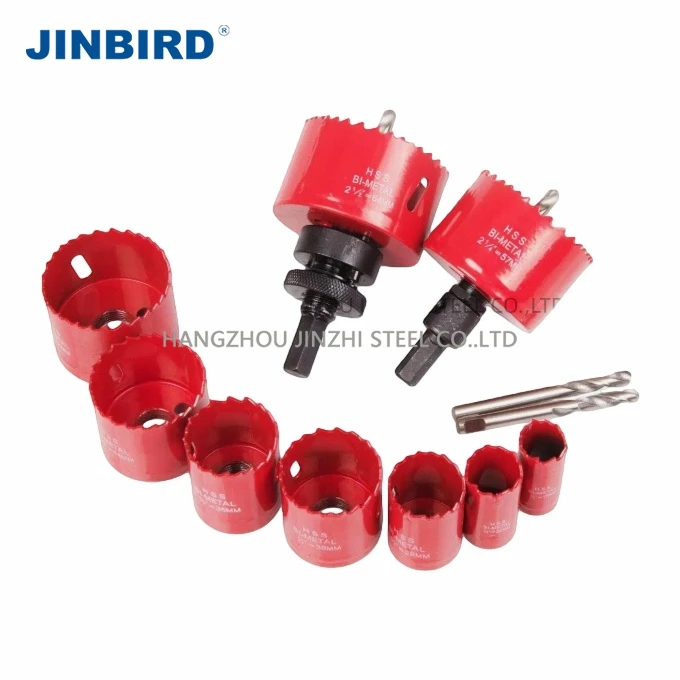
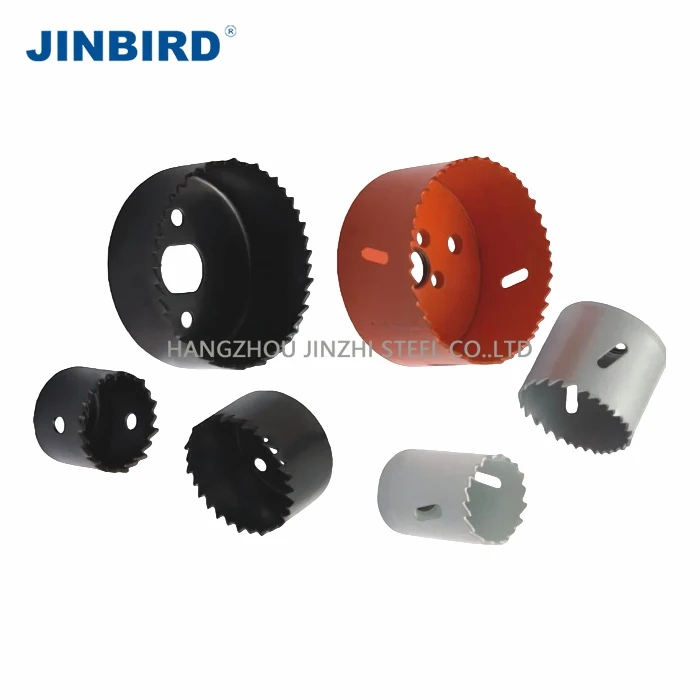
Understanding the Basics of Hollow Hole Saw Bladesaw
First off, let's quickly go over what a hollow hole saw bladesaw is. It's a specialized cutting tool used to create holes in various materials like wood, metal, plastic, and even masonry. The "hollow" part means that it cuts out a core, leaving a hole in the material. These saws are super handy in construction, woodworking, and DIY projects.
The Role of Blade Material Quality
The material quality of the blade is like the heart of a hollow hole saw bladesaw. It determines how well the saw can cut, how long it lasts, and what kind of materials it can handle. Here are some key aspects where the blade material quality has a major impact.
Cutting Speed
A high - quality blade material can cut through materials much faster. For instance, if you're using a Core Drill Hole Saw Blade made from premium carbide, it can slice through metal like butter. Carbide is extremely hard and retains its sharpness for a long time. This means that with each pass, it can remove more material in less time compared to a lower - quality blade. On the other hand, a blade made from a soft or low - grade material will have to be pushed harder, and it'll take a lot more time to cut through the same material.
Cutting Precision
When it comes to making accurate holes, blade quality is crucial. A poor - quality blade might wander off - course while cutting, resulting in an irregularly shaped hole. High - quality materials, however, maintain their shape and edge during the cutting process. For example, blades made from high - speed steel (HSS) are known for their ability to stay true to the cutting path. This is because HSS has good wear resistance and can withstand the forces generated during cutting without deforming. So, if you're working on a project where precision is key, like installing electrical outlets or making cabinet doors, a high - quality blade is a must.
Durability
Let's face it, nobody wants to keep replacing their saw blades all the time. A blade made from a high - quality material will last much longer. Take cobalt - alloyed HSS blades, for example. They are more heat - resistant and can withstand higher cutting temperatures without losing their hardness. This means they can make more cuts before getting dull or damaged. In contrast, a low - quality blade might start to wear down after just a few cuts, especially when cutting through tough materials. This not only increases your cost in terms of constantly buying new blades but also slows down your work.
Common Blade Materials and Their Impact
Now, let's take a look at some of the most common materials used for hollow hole saw bladesaws and how they affect cutting performance.
High - Speed Steel (HSS)
HSS is one of the most widely used materials for saw blades. It's known for its good combination of hardness and toughness. HSS blades can cut through a variety of materials, including wood, plastic, and thin metals. They are relatively affordable, making them a popular choice for DIYers and light - duty commercial applications. However, they may not be the best option for cutting very hard materials or in high - volume production settings, as they can wear out faster compared to some other materials.
Carbide - Tipped
Carbide - tipped blades are a step up in terms of quality. The carbide tips are extremely hard and can cut through tough materials like thick metals, cast iron, and masonry. These blades have a much longer lifespan than HSS blades, especially when used for cutting hard substances. They also provide very smooth and precise cuts. The downside is that they are more expensive, but if you're working on a project that requires cutting hard materials frequently, the extra cost is definitely worth it.
Diamond - Impregnated
Diamond - impregnated blades are the top - of - the - line option. As you can probably guess from the name, they have diamonds embedded in the blade edge. These blades are designed for cutting the hardest materials, such as granite, concrete, and glass. They offer unparalleled cutting performance and durability, but they come with a hefty price tag. They're commonly used in professional construction and industrial applications where precision and long - term performance are essential.
Tips for Choosing the Right Blade Material
When you're in the market for a hollow hole saw bladesaw, here are some tips to help you choose the right blade material based on your needs:
- Consider the Material You'll Be Cutting: If you're mostly working with wood and plastic, an HSS blade should be sufficient. But if you're dealing with hard metals, masonry, or other tough materials, you'll want to go for a carbide - tipped or diamond - impregnated blade.
- Think About Your Cutting Volume: If you're a professional who does a lot of cutting on a daily basis, investing in a high - quality, durable blade material will save you money in the long run. For occasional DIY projects, a more affordable blade might be all you need.
- Look at Your Budget: As I mentioned, different blade materials come with different price tags. You need to find a balance between your budget and the performance you require. Sometimes, spending a little more on a better - quality blade can pay off in terms of time and efficiency.
Contact Us for Top - Quality Hollow Hole Saw Bladesaws
If you're looking for high - quality Hollow Hole Saw Bladesaw, you're in the right place. We, as a supplier, offer a wide range of blade materials to suit different cutting needs and budgets. Whether you need a basic HSS blade for your weekend DIY project or a top - of - the - line diamond - impregnated blade for a large - scale industrial job, we've got you covered.
Don't hesitate to get in touch with us if you have any questions about our products or need help choosing the right blade for your specific requirements. We're here to help you make the best decision and get the most out of your cutting tools.
References
- "Cutting Tools: Materials and Applications" by John A. Schey
- "Handbook of Machining with Cutting Tools" by Peter Oxley