
Hey there, thanks for stopping by my corner of the internet. I’m Sarah, and for the past 8 years, I’ve worked with a crew that designs and sells Horizontal Solid Bar Cut Bandsaws—you know, those workhorses that shops swear by for slicing through metal bars like butter. The question I get asked more than any other? “Can your Horizontal Solid Bar Cut Bandsaw actually handle different types of solid bars?” Let me cut to the chase here—no jargon, no fluff, just the straight talk you need if you’re outfitting a fabrication shop, a machine shop, or even a DIY space that’s stepped up its game.
First off, let’s clear up what a Horizontal Solid Bar Cut Bandsaw is, just to make sure we’re on the same page. Unlike vertical bandsaws, which are more for resawing lumber or cutting irregular shapes, horizontal ones clamp the bar tight and move the blade through it horizontally. That setup is made for solid bars—think round, square, hex, even custom-shaped bars made of metal. But “different types of solid bars” isn’t just about shape; it’s about material too. Carbon steel, stainless steel, alloy steel, even some harder stuff like tool steel. Here’s the thing: most people think a bandsaw is only for one material, but with the right setup (and trust me, that’s not just the saw itself), you can make it work across a ton of bar types.
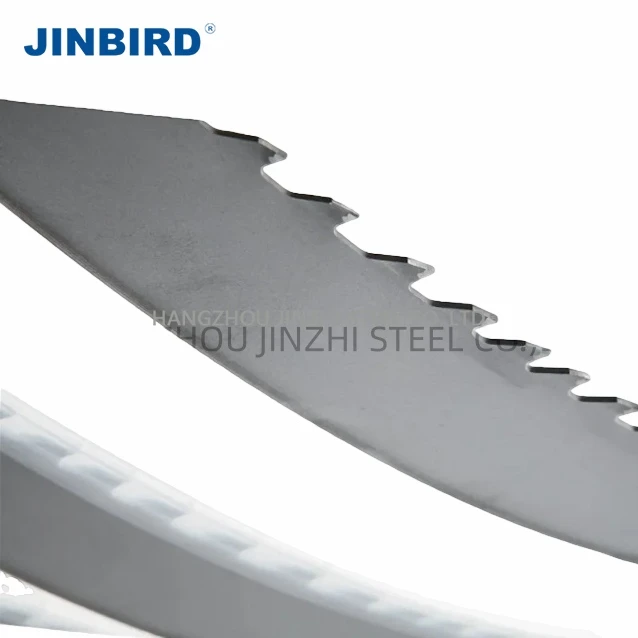
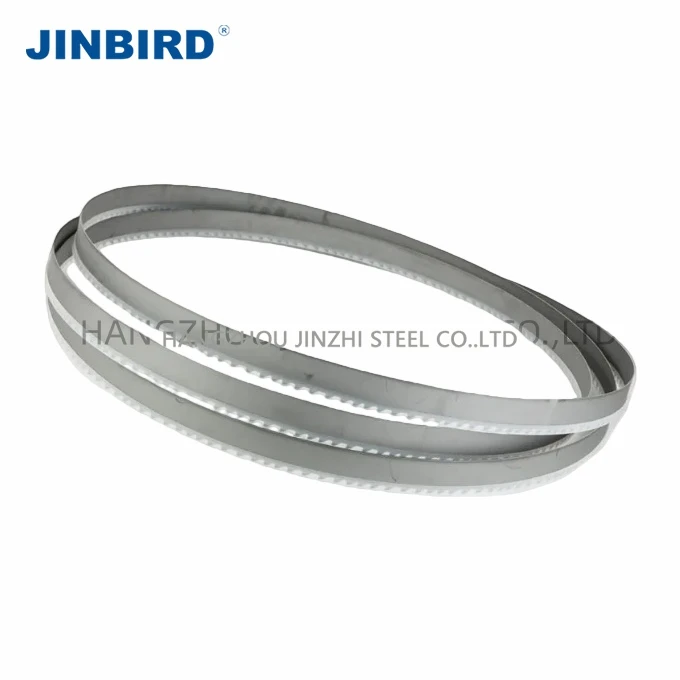
Let’s start with the biggest barrier to switching bar types: blade selection. I’ve seen guys try to run a generic bi-metal blade on a 4140 alloy steel bar and burn through it in five minutes, or use a carbide blade on soft 1018 carbon steel and get terrible feed rates. That’s where the right blade comes in, and I’ve linked a few of our go-to options here. If you’re dealing with hard bars (like tool steel or high-strength alloys), a Tungsten Carbide Tipped Blade is non-negotiable—carbide teeth are way harder than bi-metal, so they stay sharp way longer on tough materials. For softer stuff, like mild carbon steel, a good bi-metal blade works, but we’ve also got Band Saw Blades Carbide that shine even in lower-hardness materials if you’re pushing for faster cuts without sacrificing blade life. Wait, speaking of resawing—if you’re cutting thinner sections from a solid bar (like for custom parts or trim), a Carbide Tipped Resaw Bandsaw Blade is exactly what you need; it’s thinner than standard blades, so less material loss and straighter cuts. And if you’re shopping around for the saw itself, our Horizontal Solid Bar Cut Bandsaw is engineered with variable speed controls, so you can tweak the blade speed to match whatever bar material you’re working with. That adjustability is game-changing for switching between bar types.
Let’s break down specific bar types to make this concrete. First, mild carbon steel bars (1018, 1020) are the most common—think stock for bolts, brackets, basic machine parts. Our Horizontal Solid Bar Cut Bandsaw handles these like a dream, no tweaks needed most of the time. A regular bi-metal blade works here, but if you’re cranking out 100+ cuts a day, a carbide blade will pay for itself in fewer blade changes. Next up: stainless steel bars (304, 316). This stuff is sticky—it work-hardens easy, and if you don’t keep the blade moving fast enough, it’ll just rub instead of cut. The key here is to run a higher blade speed (we set our saws up with easy speed adjustments for that) and use a carbide-tipped blade. I’ve seen shops try to use a cheap bi-metal blade on stainless and end up with a blade that’s gummed up and useless in an hour. Don’t do that. Then there’s alloy steel (4140, 4340) and tool steel—these are hard, tough, and will dull a blade in no time if you’re not using the right setup. Again, a Tungsten Carbide Tipped Blade is your best bet here, and our Horizontal Solid Bar Cut Bandsaw has a rigid clamping system that keeps the bar from moving when you’re cutting, which is super important for hard materials where even a tiny shift can throw off the cut or break a blade. Even hex and square metal bars? Same rules apply, just make sure your vise is snug—our saws have interchangeable jaws that fit different bar shapes, so you don’t have to rig up extra stuff.
Wait, what about the weird stuff? I’ve had a customer come in last year asking if our saw could cut solid brass bars for custom hardware. Brass is softer than steel, but it’s gummy too—shavings stick to the blade teeth. For that, we recommend a fine-tooth carbide blade (check out our Carbide Saw Blade options) and a coolant that’s designed for non-ferrous metals. Turns out, our Horizontal Solid Bar Cut Bandsaw worked perfectly for them—they were cutting 20 hex brass bars a day, and the blades only needed changing every 2 weeks, which was way better than their old saw. Another cool one: titanium bars, which are used in aerospace parts. Titanium is tricky because it’s lightweight but super strong, and it generates a lot of heat when cut. Our saw has flood coolant delivery that hits the cut zone directly, so we paired that with a carbide-tipped blade and they were getting clean cuts without the blade overheating. So yeah, even less common bar materials work—you just need to match the blade and saw settings to the material.
A lot of people ask me, “Does the saw’s size matter?” Sure, if you’re cutting a 12-inch solid round bar, you can’t use a 10-inch bandsaw. But our Horizontal Solid Bar Cut Bandsaw line comes in different capacities, so whether you’re cutting 2-inch small bars or 15-inch massive ones, there’s a model that fits. The key is consistent pressure—horizontal bandsaws push the blade through the bar with uniform force, which is way better for different bar sizes than vertical saws that pull the blade. That consistent force means the blade doesn’t skip, doesn’t bind, and works across bars that are a bit different in diameter or shape.
I should also mention common mistakes I see shops make that mess this up. First, using the same blade for every bar. I had a customer who was cutting both mild steel and stainless steel with a single generic blade—they were getting 10 cuts on steel and 2 cuts on stainless, wasting so much money. Once they switched to carbide blades for stainless and bi-metal for steel, their blade costs dropped by 40%. Second, not adjusting the blade speed. When you switch from a soft bar to a hard one, you need to slow the blade down. If you keep it at 150 feet per minute for mild steel on a hard tool steel bar, you’re going to bend the blade or break the teeth. Our Horizontal Solid Bar Cut Bandsaws have a digital speed display, so it’s easy to dial in the right rate for whatever bar you’re using—no guessing, no wasted time. Third, ignoring blade maintenance. Even the best blade won’t work if it’s dirty or has chipped teeth. We suggest checking your blade before every run, and replacing it when you see those chips—our shop offers blade sharpening too, but even if you don’t do that, keeping blades in good shape makes a huge difference for different bar types.
Now, let’s talk real-world results. A fabrication shop in Detroit switched to our Horizontal Solid Bar Cut Bandsaw 6 months ago. They were using three different saws to handle carbon steel, stainless, and tool steel. Now they use just ours, swapping blades when they switch materials, and they’ve cut their overall cutting time by 30% because they don’t have to move bars between machines. Another customer, a machine shop in Texas, works with solid aluminum bars for custom parts—they used to have issues with the blade catching on soft aluminum and leaving rough cuts. After using a carbide blade and adjusting the speed on our saw, they’re getting smooth, straight cuts every time, and they’ve reduced material waste by 15%. That’s the kind of result you want when you’re investing in a saw for multiple bar types.
Look, I’m not gonna lie—you can’t just grab any saw and expect it to cut every bar in your shop without a second thought. But our Horizontal Solid Bar Cut Bandsaw is built with flexibility in mind. The variable speed, rigid clamping, and easy blade changes mean you can switch between a 2-inch mild steel bar and a 6-inch stainless bar in minutes, no extra setup needed. And when you pair that with the right blade—whether it’s a Band Saw Blades Carbide, a Tungsten Carbide Tipped Blade, a Carbide Tipped Resaw Bandsaw Blade, or a Carbide Saw Blade—you’re set up for success with just about any solid bar you throw at it.
If you’re still on the fence, or if you have a specific bar type you’re working with and want to make sure our saw will handle it, I’d love to chat. We’ve helped hundreds of shops figure out the right setup for their needs, and there’s no one-size-fits-all, but that’s a good thing—we can tailor it to what you’re cutting. Just reach out to our team to talk through your projects, ask questions, or even request a demo if you’re local. No pressure, no sales pitch that’s all fluff—just straight talk about what works for your shop.
References:
- Metal Cutting Band Saw Blade Technology. Industrial Machining Journal, 2022.
- Horizontal Bandsaw Performance for Solid Bar Cutting. Fabrication & Metalworking News, 2023.
- Carbide vs. Bi-Metal Blades: Cost and Productivity Analysis. Tooling World Magazine, 2021.
- Variable Speed Bandsaw Benefits for Mixed Material Cutting. Machine Shop Digest, 2022.